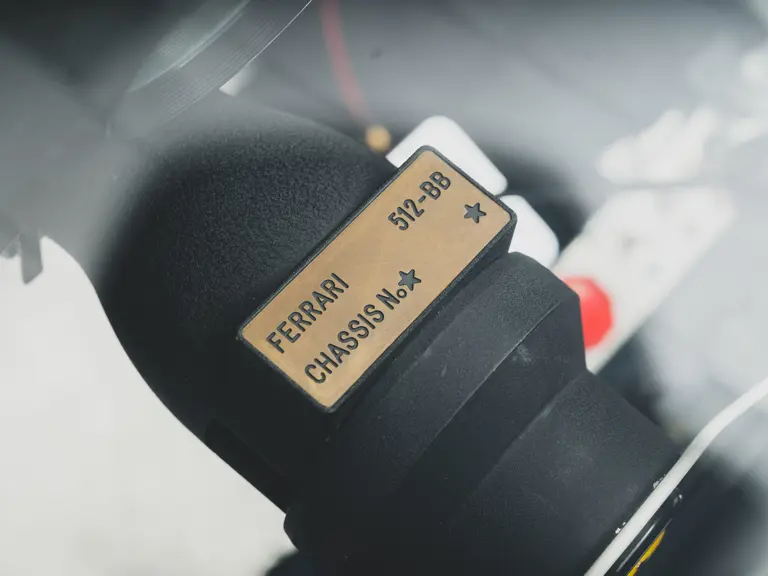
Chassis No.
29507
{{lr.item.text}}
{{bidding.lot.reserveStatusFormatted}}
A PRIZE-FIGHTING BOXER
Following Ferrari’s dominant 1972 victory in the World Championship of Makes with the prototype sports-racing 312 PB Spider, Maranello participated in one more year of factory-based sports car racing before the program was cancelled altogether in favor of a sole focus on Formula 1. Sports car racing, once the manufacturer’s stock-in-trade, was abandoned for the first extended period in the Scuderia’s history.
By 1976, however, Ferrari had further developed the popular roadgoing 365 GT4 Berlinetta Boxer into the 512 BB, which featured an increased displacement of 4,942 cubic centimeters, as well as a new dry-sump lubrication system ideal for competition applications. With the advent of this new and improved model, Ferrari began to reevaluate a potential return to sports car racing, and by early 1978, this notion had gained considerable traction.
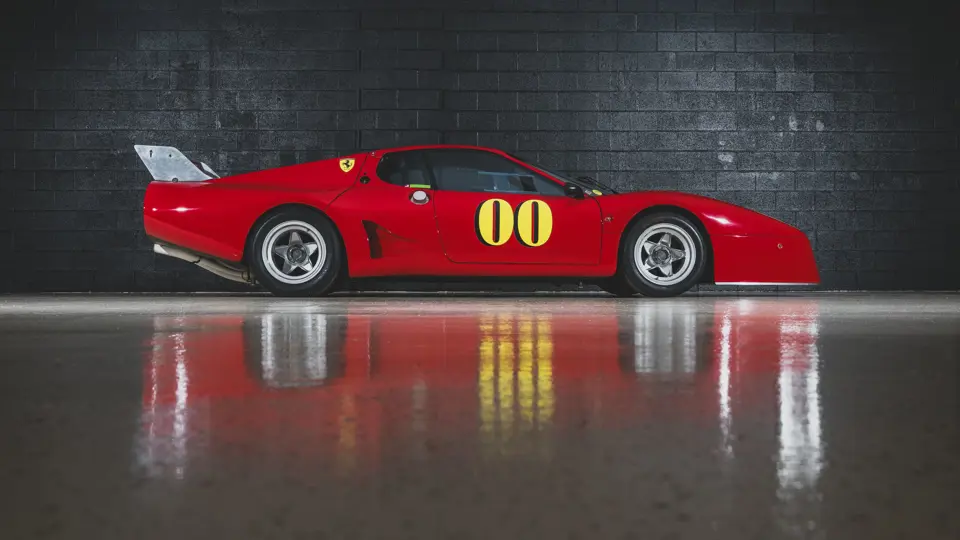
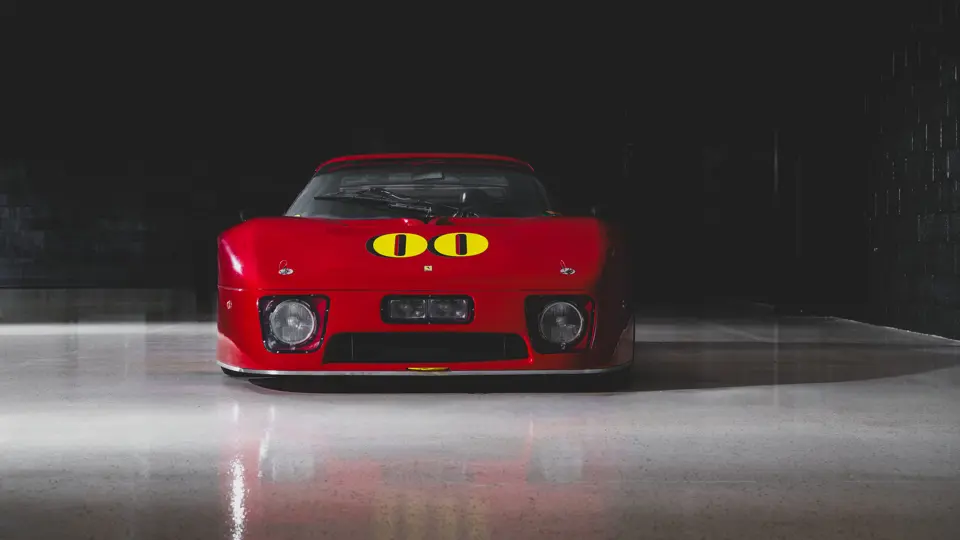
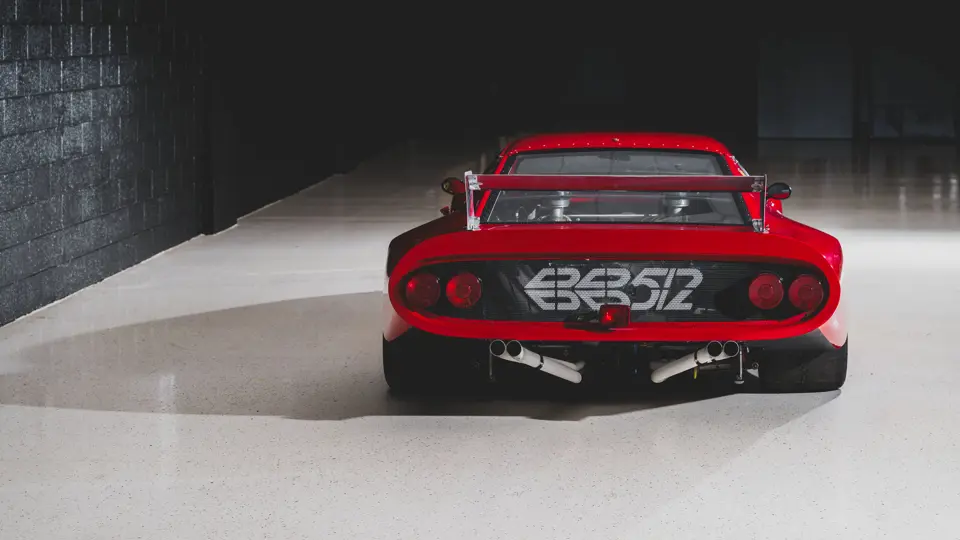
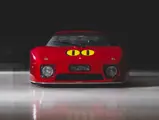
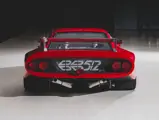
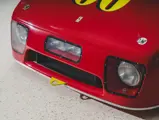
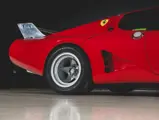
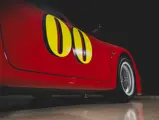
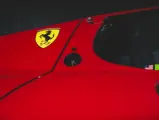
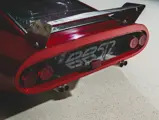
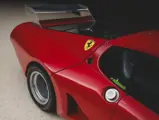
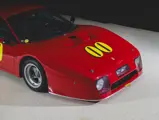
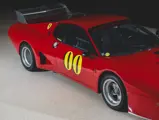
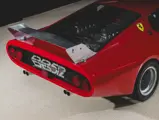
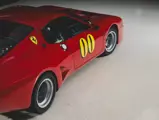
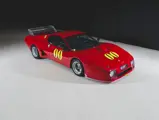
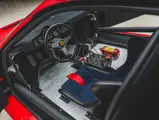
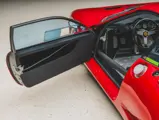
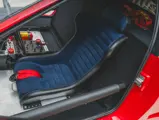
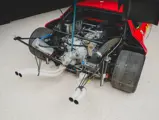
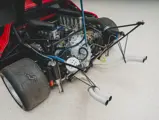
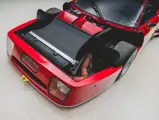
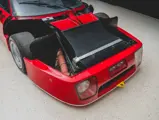
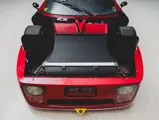
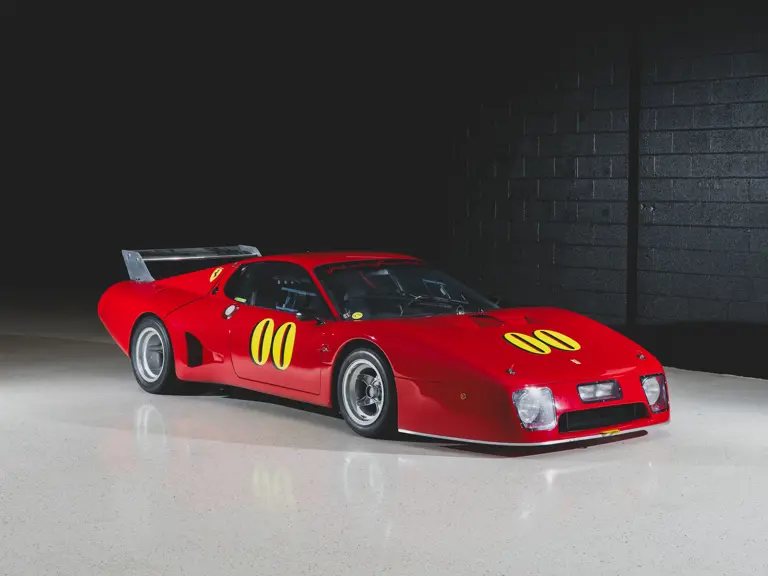
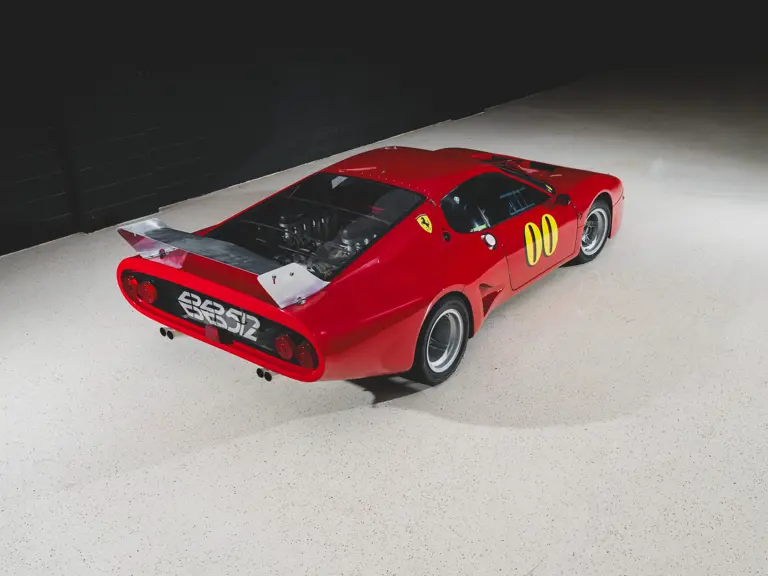
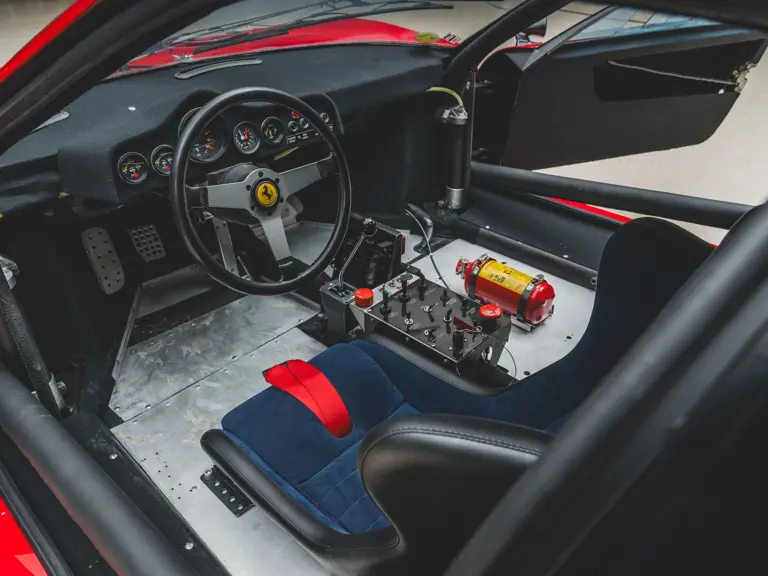
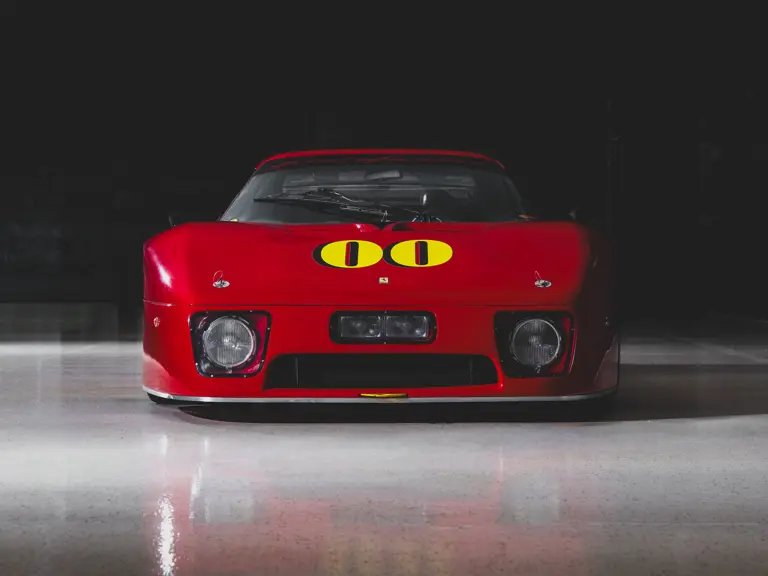
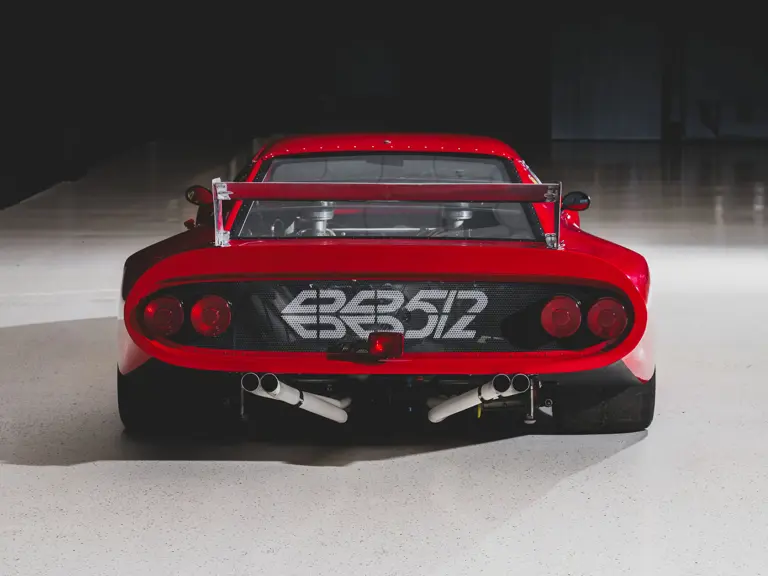
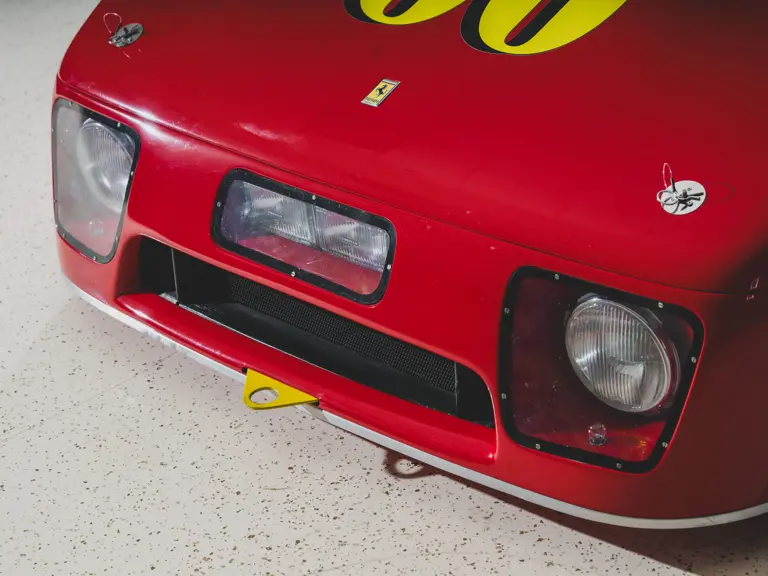
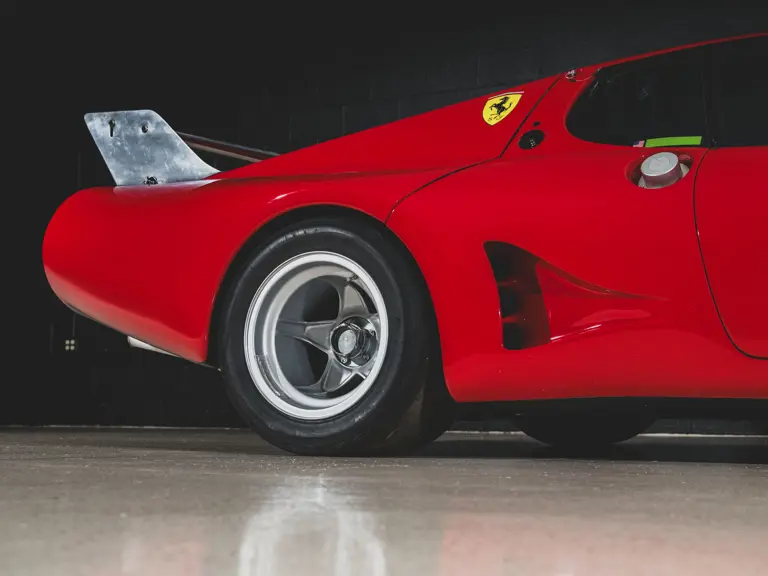
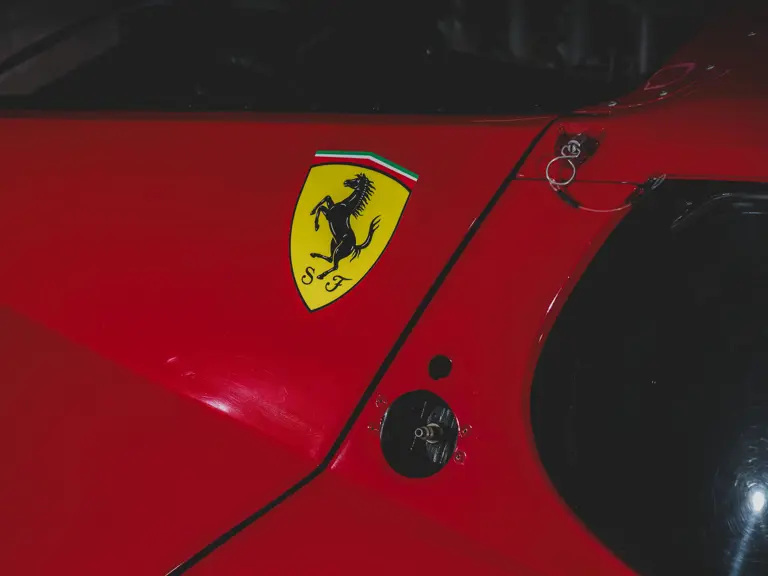
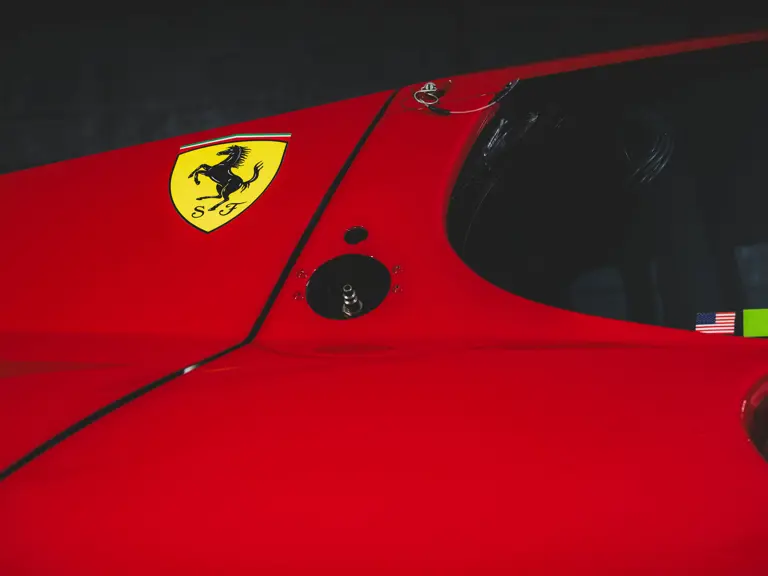
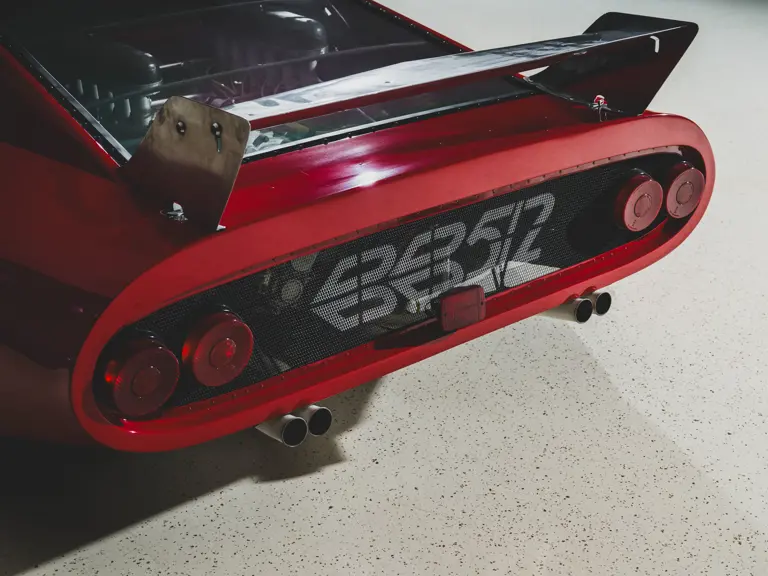
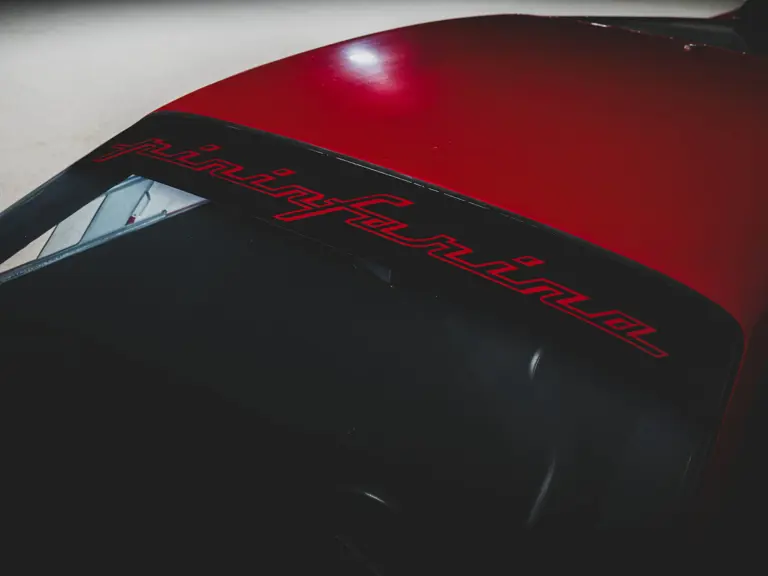
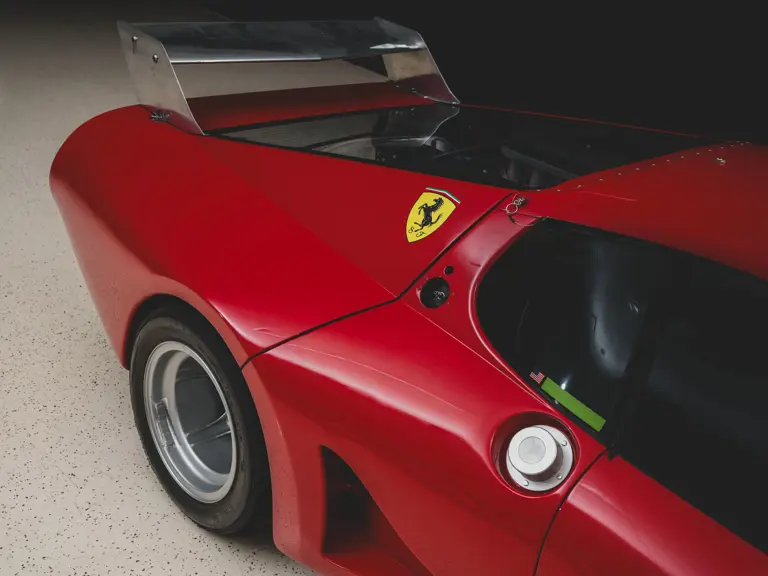
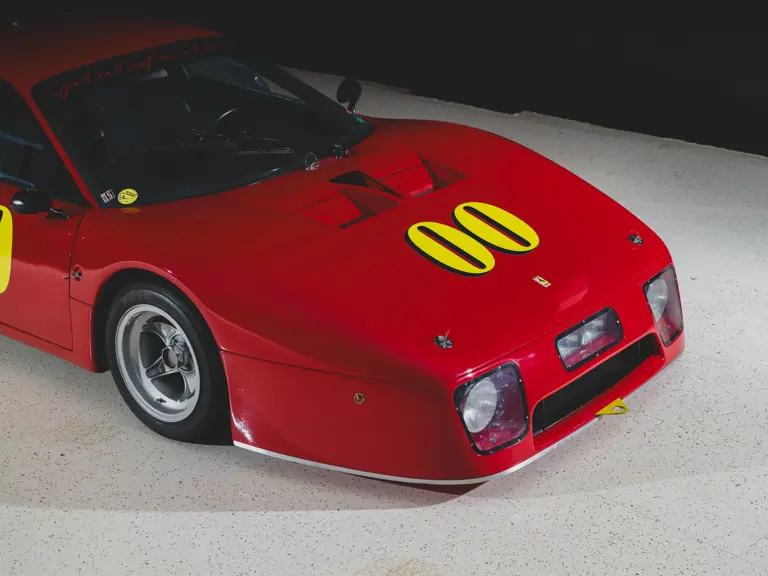
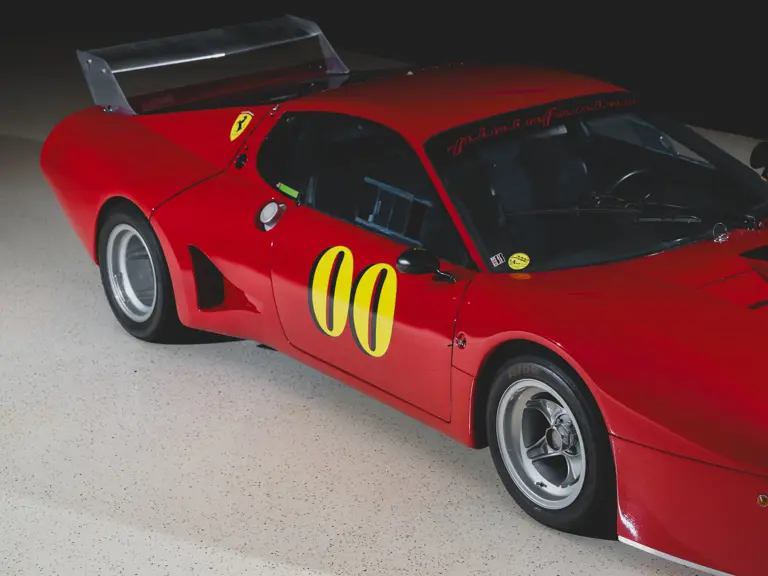
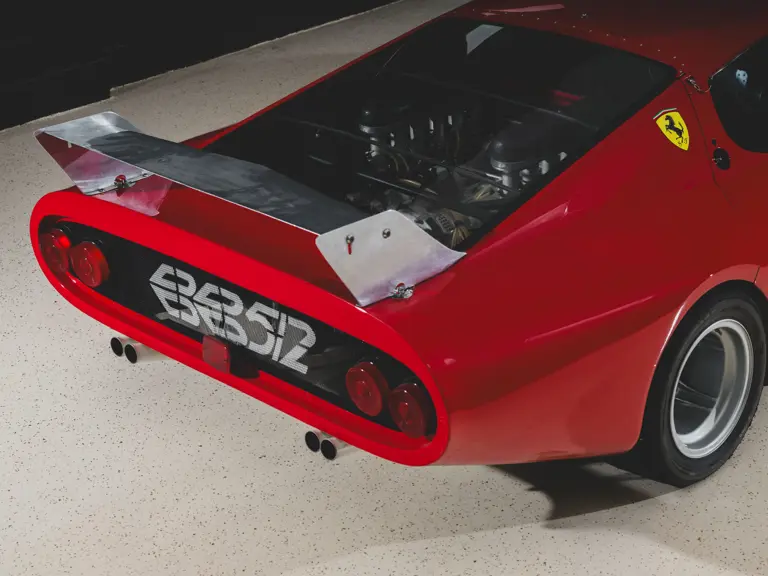
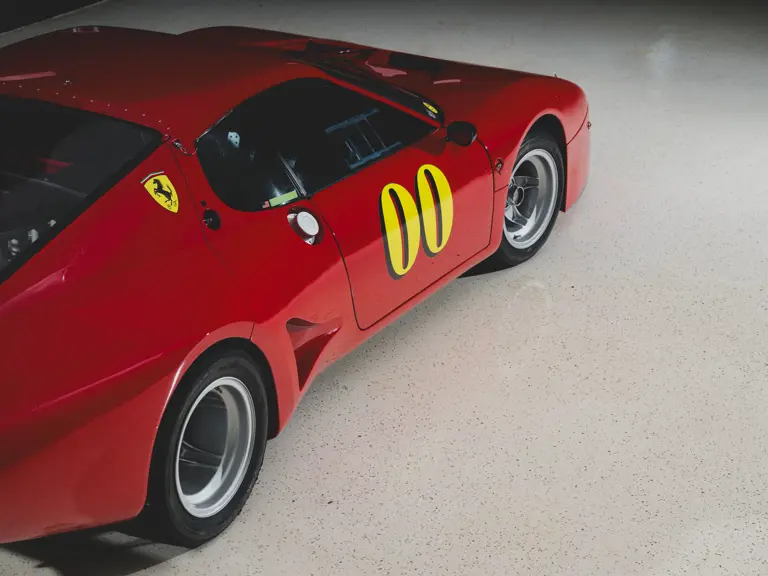
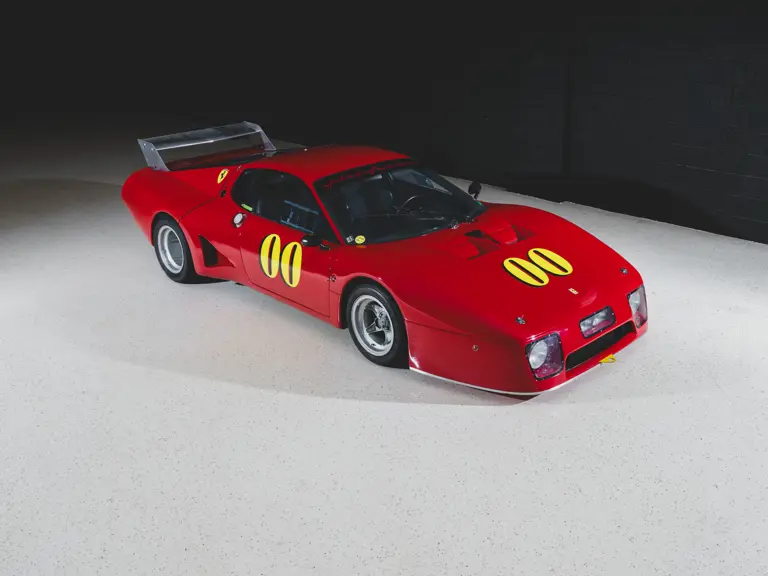
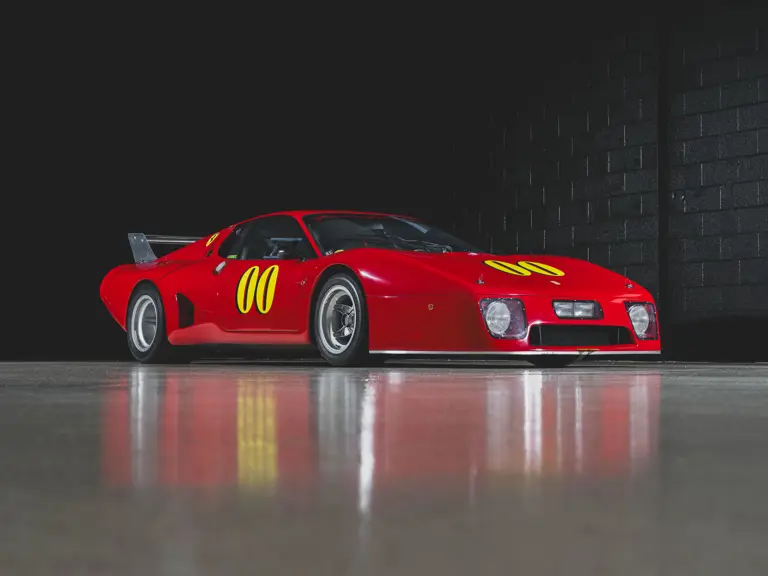
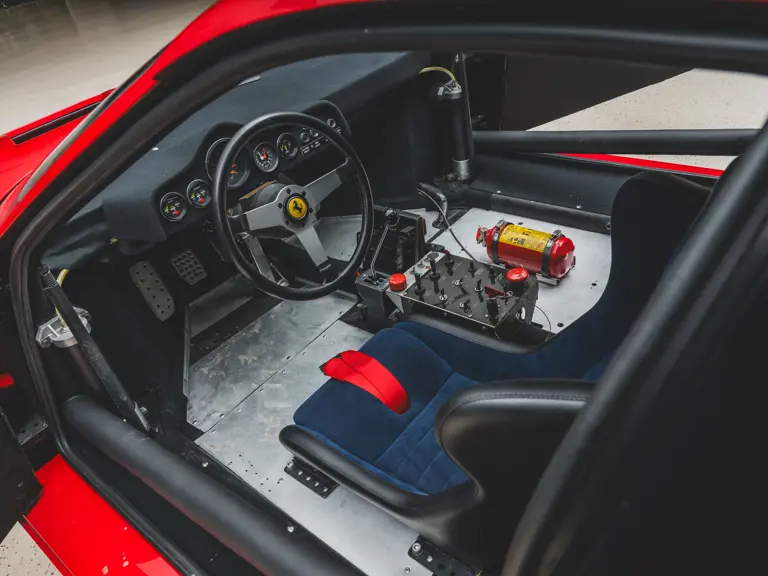
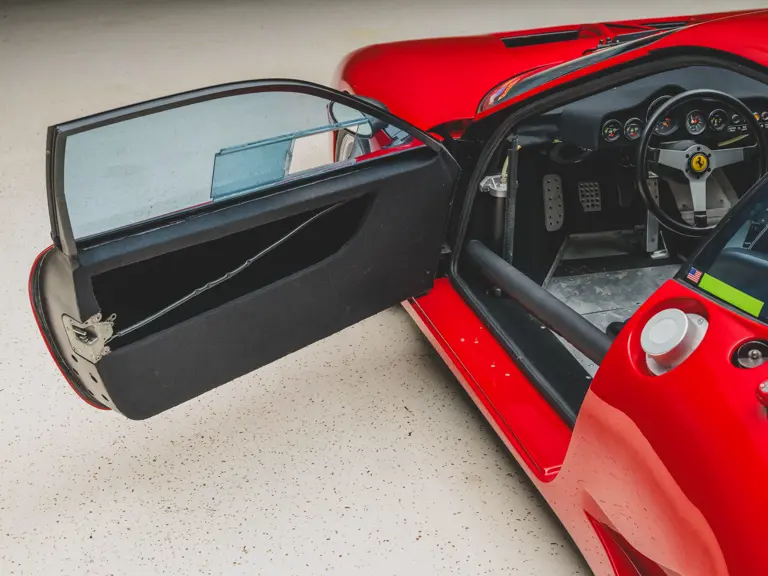
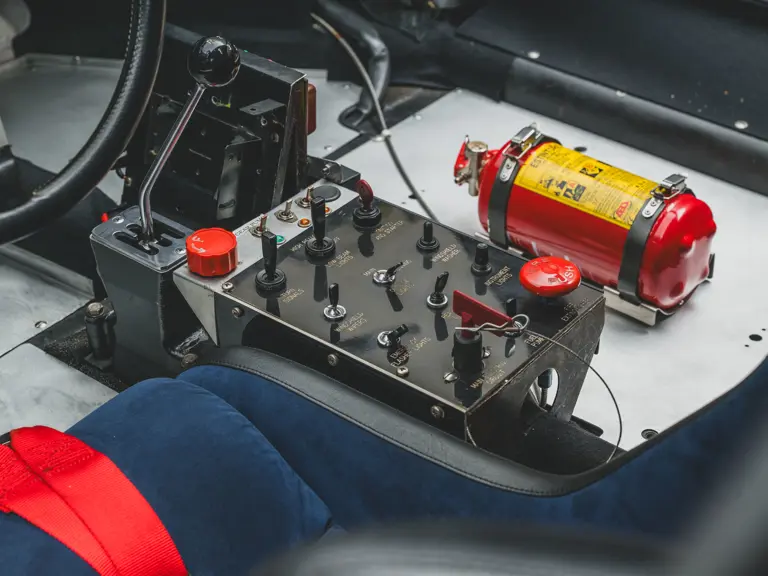
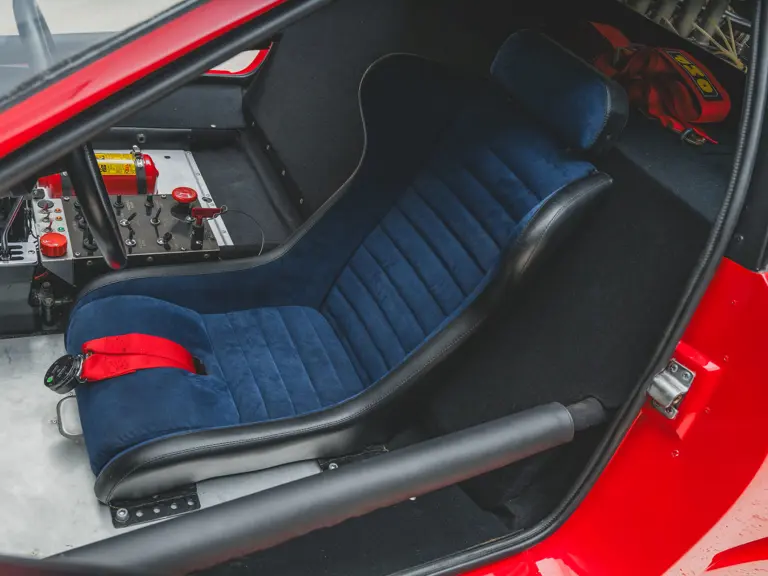
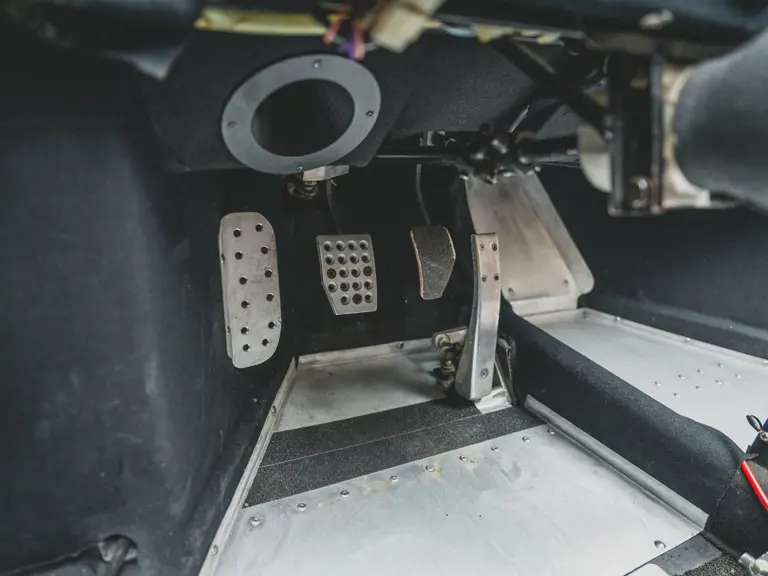
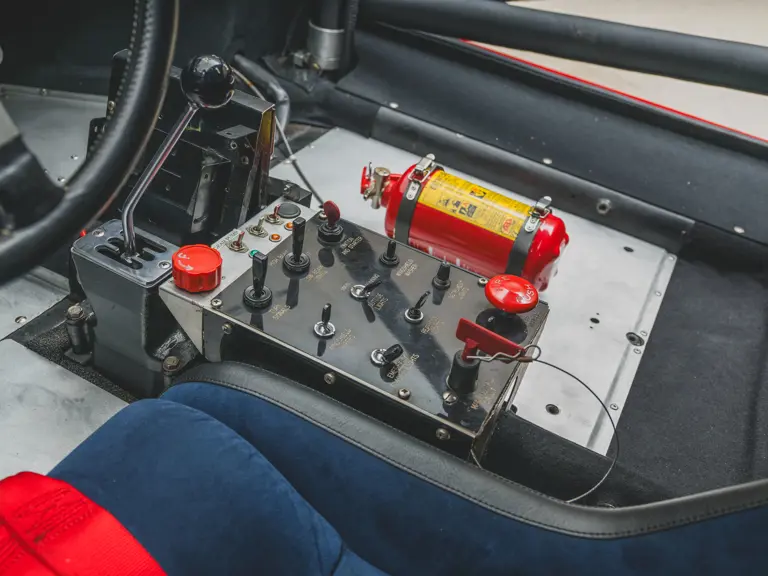
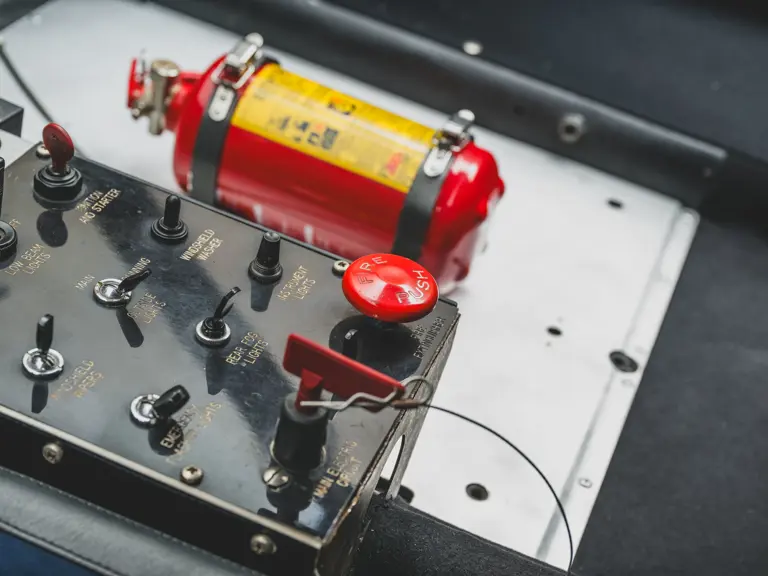
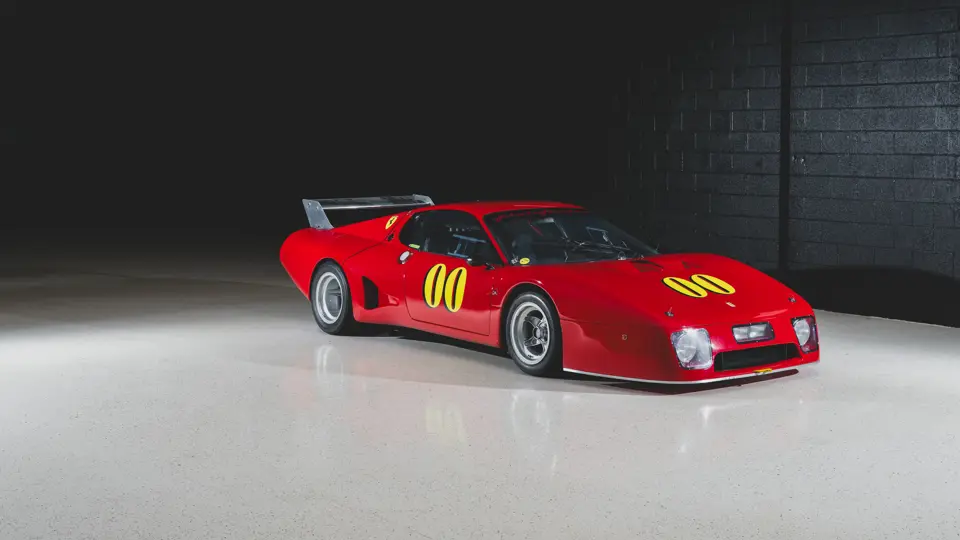
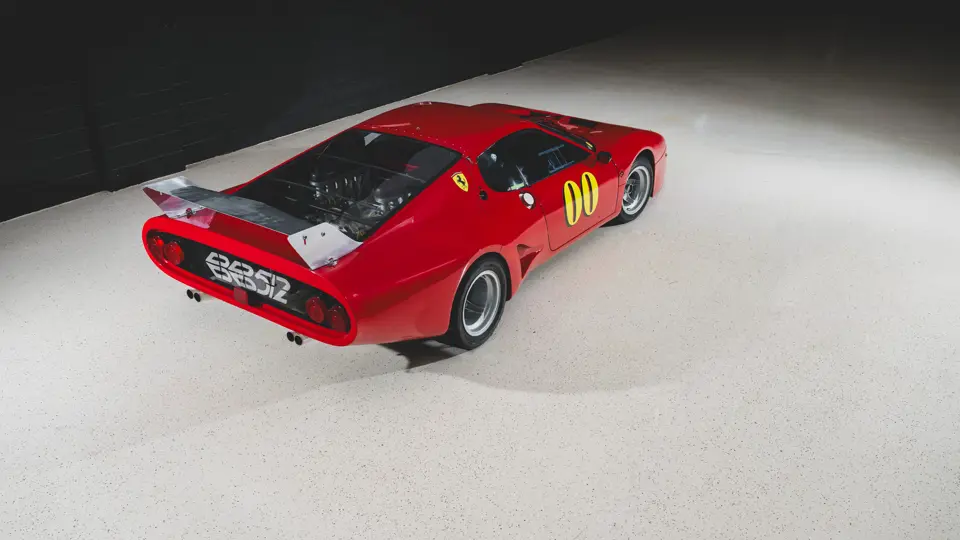
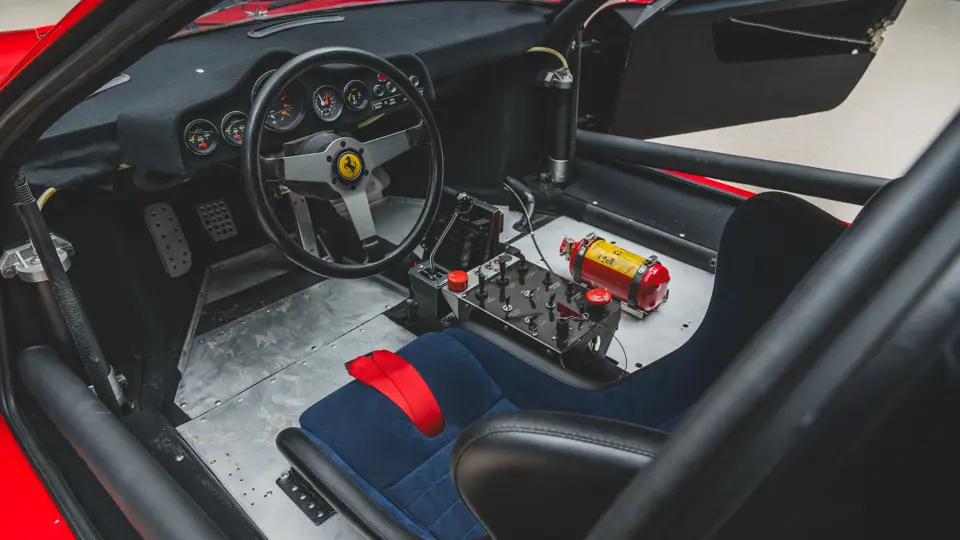
In preparation for the 1978 24 Hours of Le Mans, four 512 BB chassis were specially prepared to meet IMSA regulations, being built in Modena with full factory support. Various weight-saving measures were implemented to reduce the car’s girth to about 2,425 pounds, and the five-liter engines were tuned to develop an uprated capability of 460 horsepower, while the rear suspension was revised to accommodate wider rear tires. Pininfarina’s production coachwork design was fitted with plexiglass windows and modified with the addition of a larger chin spoiler and a large rear wing derived from Ferrari’s 312 Formula 1 car.
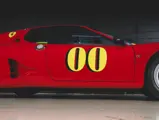
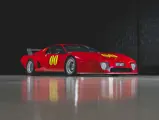
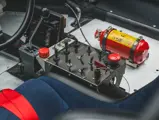
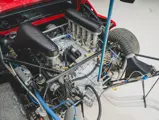
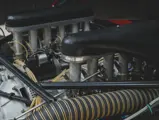
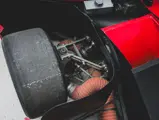
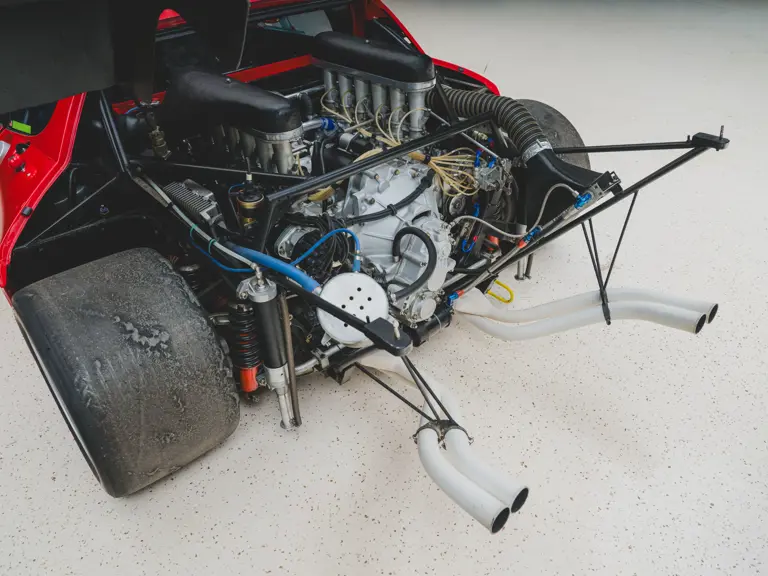
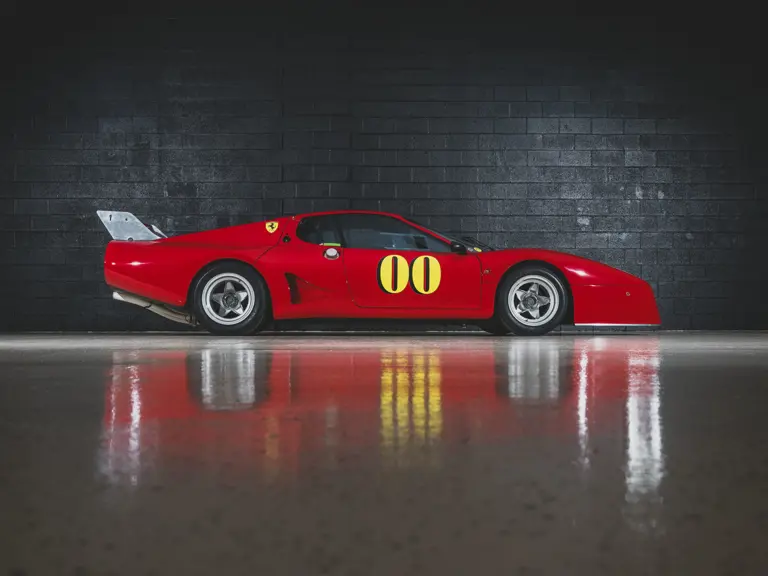
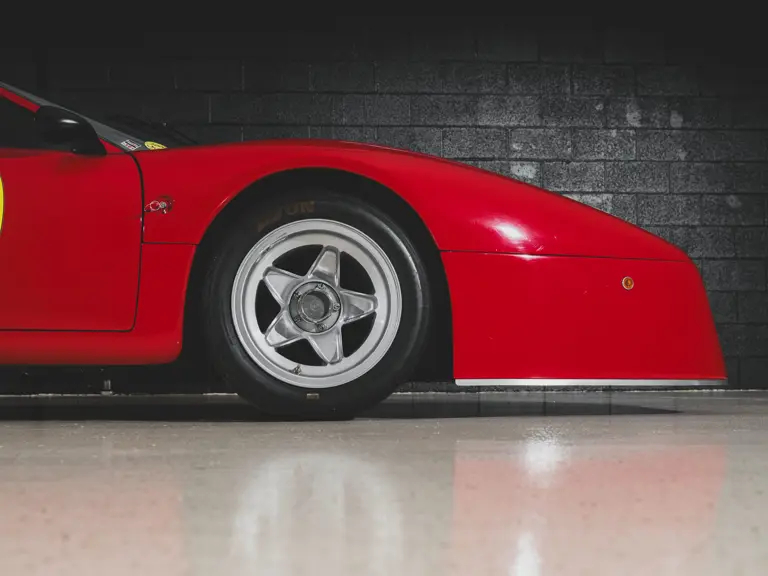
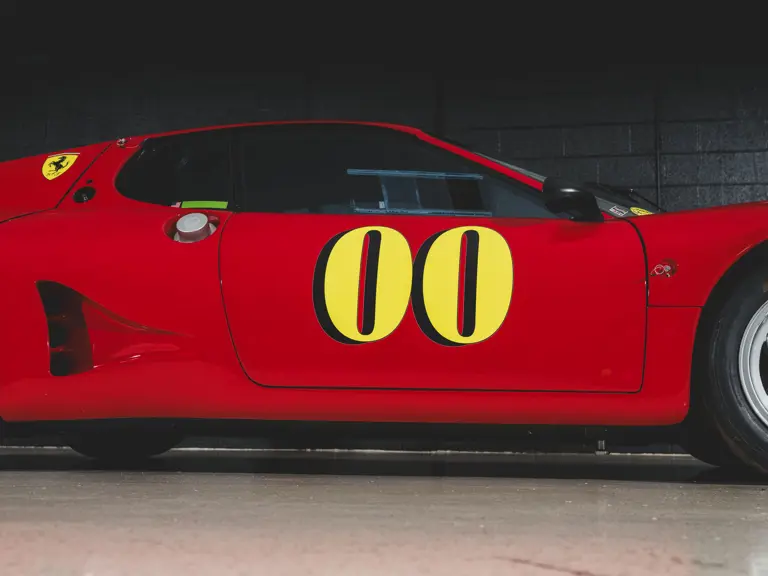
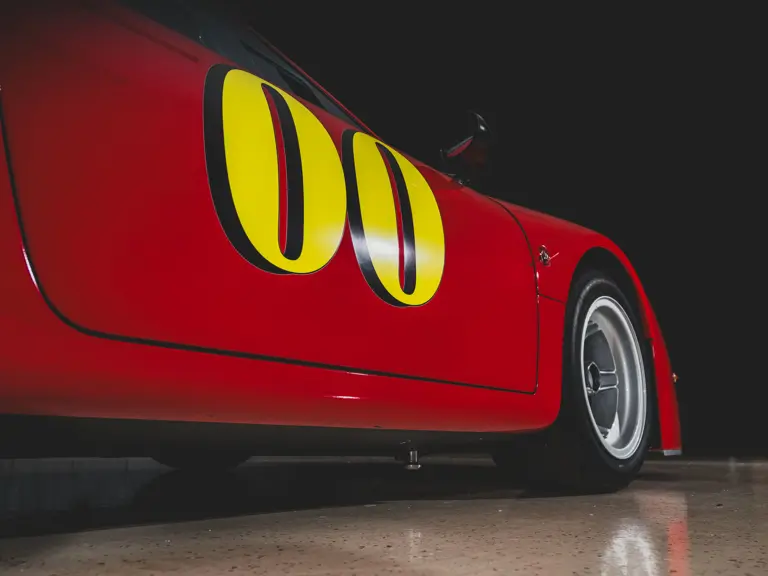
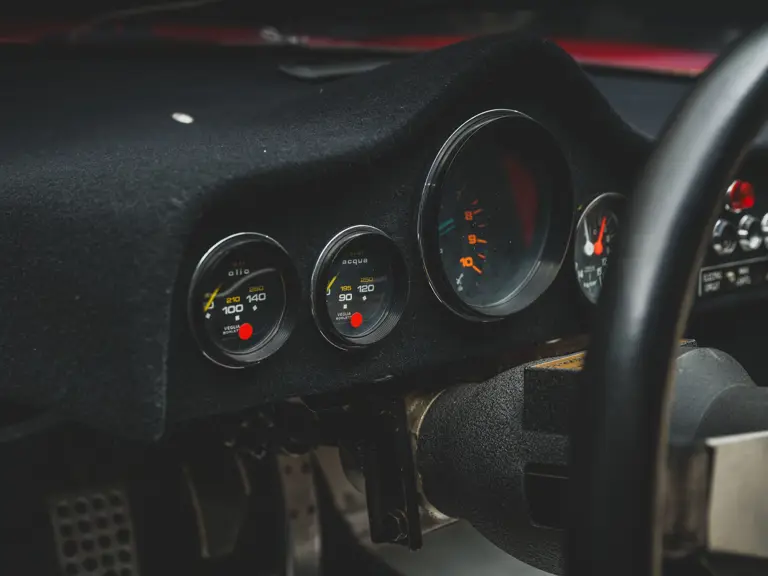
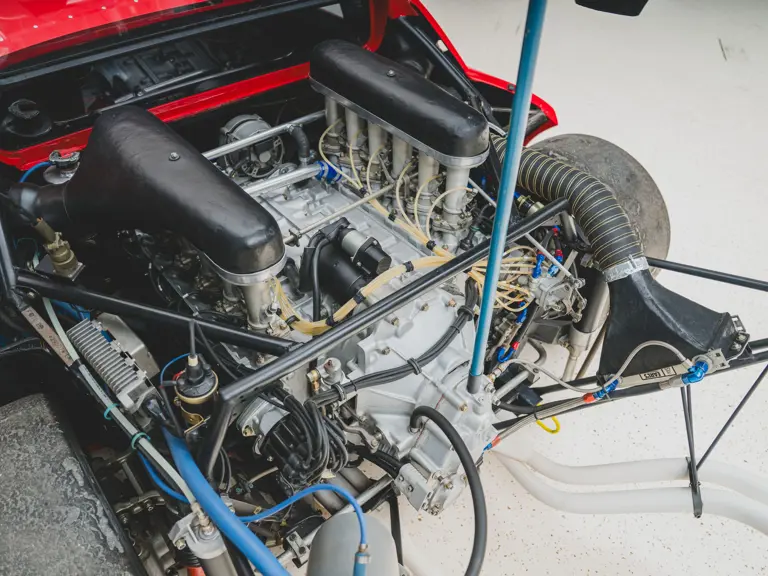
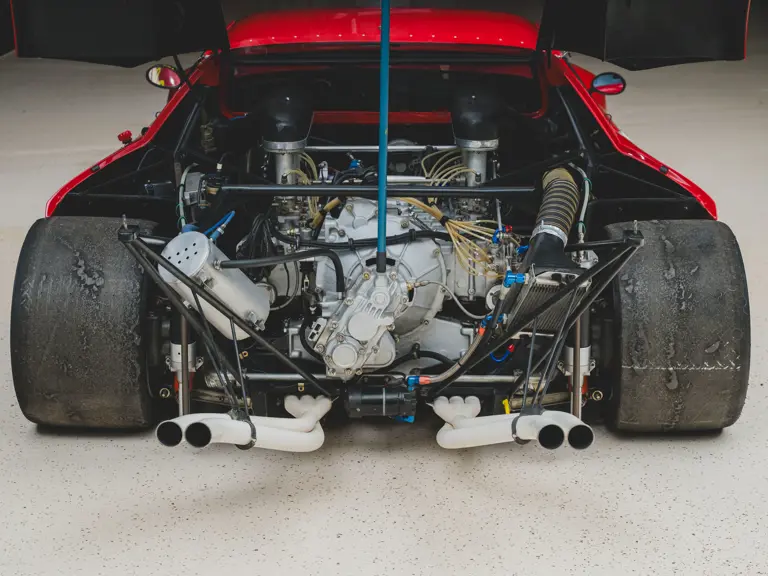
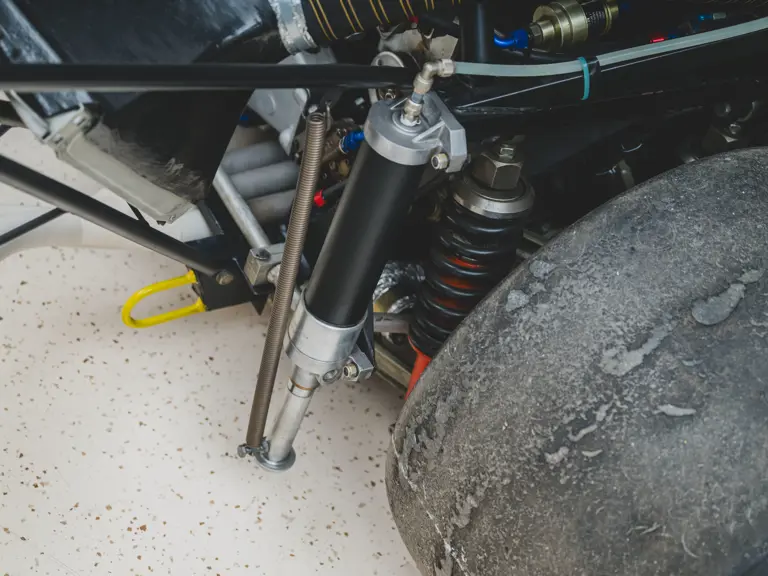
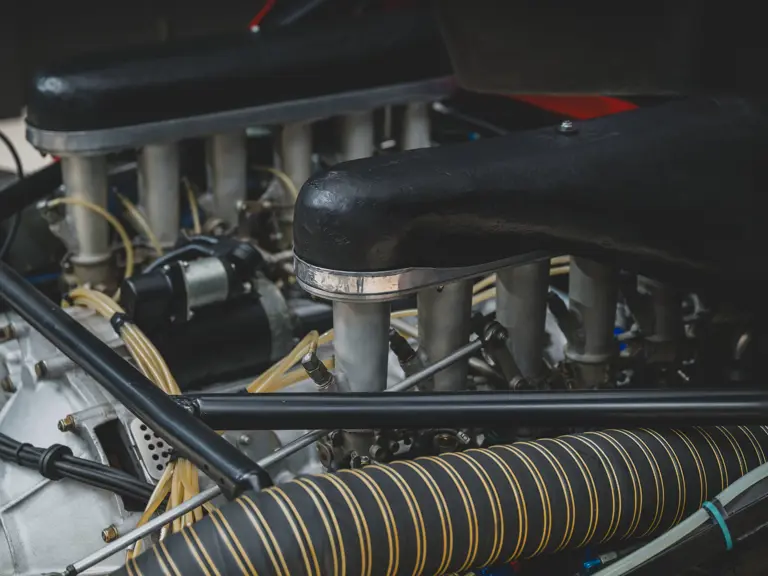
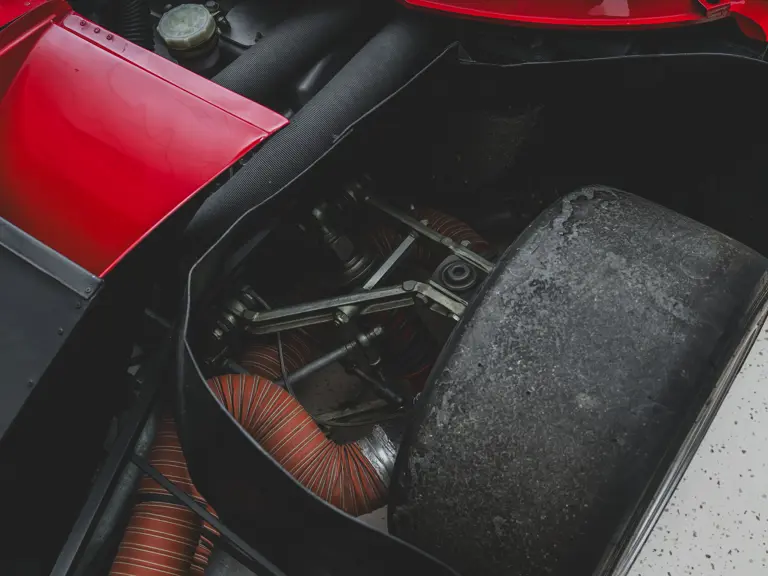
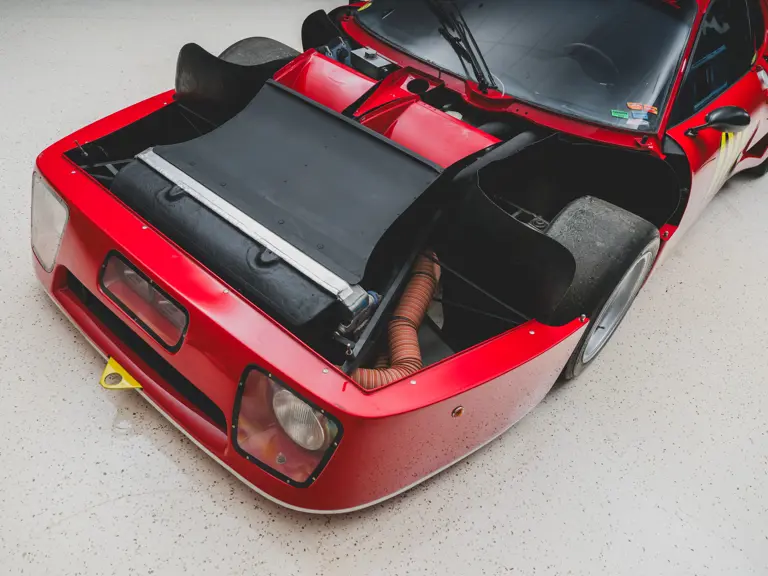
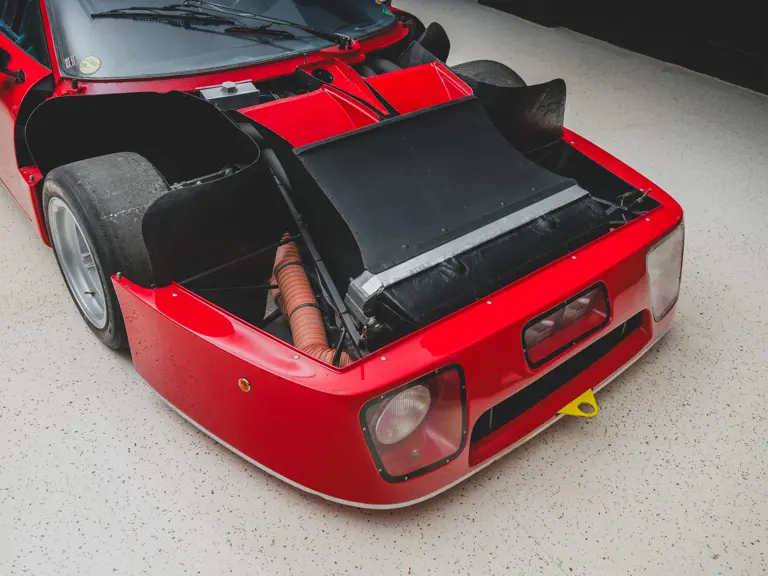
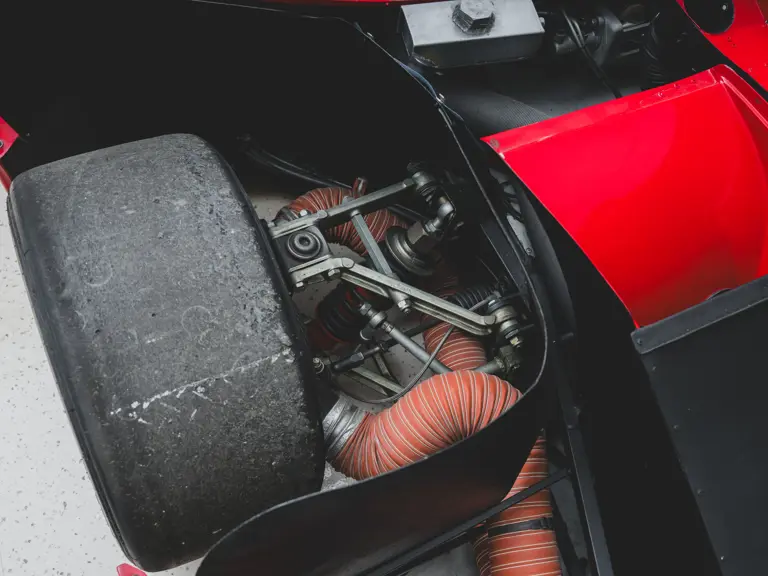
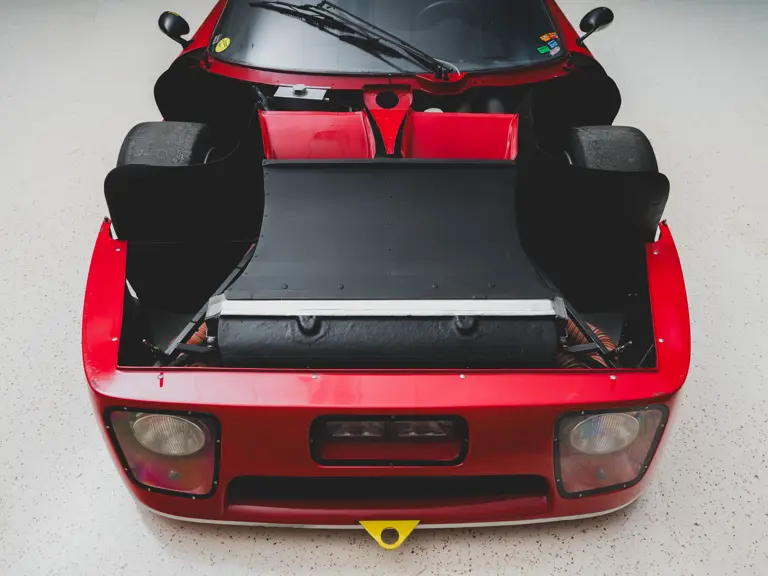
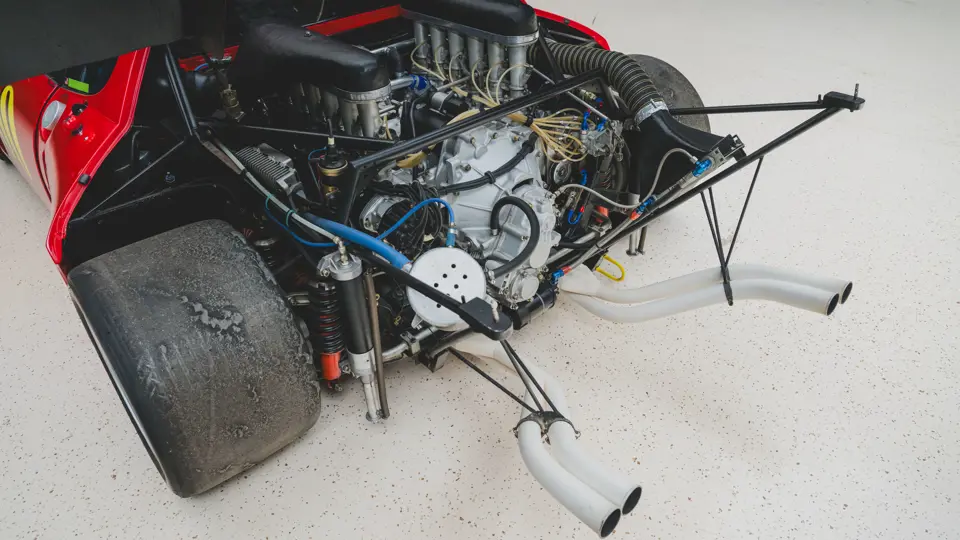
Unfortunately the 512’s transaxle was no match for the uprated engine, forcing four early retirements at Le Mans, but clientele were sufficiently intrigued to justify further development. Consequently, a second series of BB/LM examples was approved that featured Lucas fuel injection, boosting output to 480 horsepower with improved mid-range torque. The transaxle was strengthened, oil-cooling radiators were added, and the brakes and suspension were upgraded. Weight was further reduced to 2,370 pounds, and the chassis was mounted with new purpose-built coachwork developed by Pininfarina in a wind tunnel, referred to as the “Silhouette.”
After three examples debuted at the 1979 24 Hours of Daytona (including an entry by Luigi Chinetti’s NART), the new 512 BB/LM went on to finish 3rd in class and 10th overall at Le Mans in 1980, and achieved the magical 1st in class and 5th overall a year later. The short production run of 25 cars was enjoyed by preferred clients at various circuits through the mid-1980s, remaining surprisingly competitive for several years.
LUCKY NUMBER SEVEN
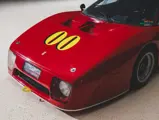
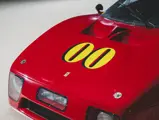
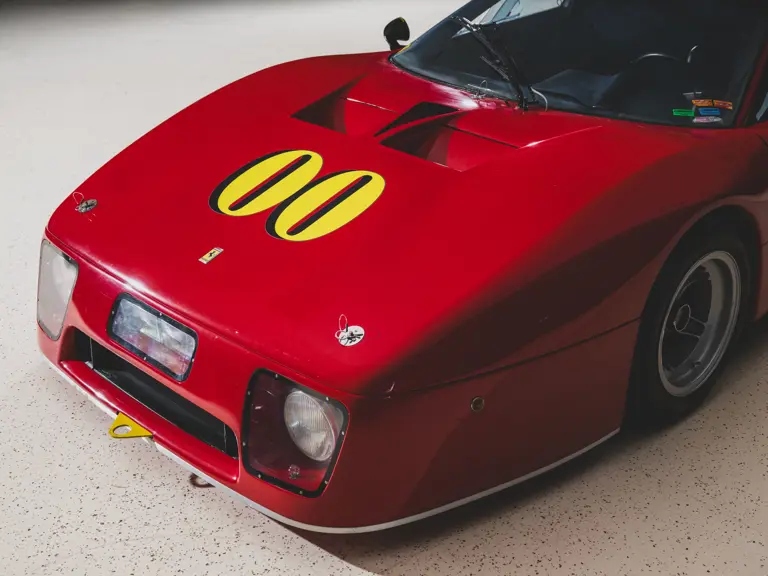
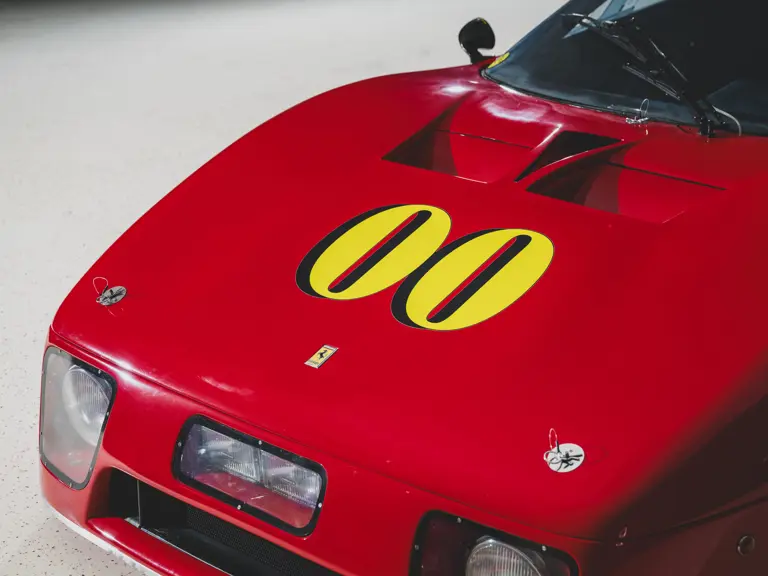
According to the research of marque authority Marcel Massini, chassis number 29507 is the seventh example built, and it was completed in November 1979 and promptly entered what would become one of the most significant Ferrari collections ever assembled with the first owner, Albert Obrist of Reinach, Switzerland. Officially sold in January 1980 through the dealer Garage Ruf AG, the Ferrari was soon fitted with an additional air intake on the hood.
Following several significant Ferrari sports racing acquisitions, the 512 BB/LM was subsequently sold in February 1980 by Obrist to Jon Masterson of Long Beach, California. Masterson campaigned the car at club events and vintage meets through the first half of the decade, including runs at Riverside and Laguna Seca. During this period, the car was the centerpiece of a feature article in a May 1981 issue of Autoweek magazine, covering the car’s recent run at Riverside. In 1985, the Ferrari began a two-year restoration that reportedly led to six concours awards over the remainder of the 1980s, and it was seen at the International Ferrari Club Meeting at the Rancho Cañada Golf Club in Carmel in August 1984, and the Annual FCA National Meeting at Watkins Glen in 1990.
In 1990, the Ferrari was domiciled in storage for a period of two years before being sold by Mr. Masterson to the marque enthusiast Dr. Ron Busuttil of Bel Air, California, in September 1992. The new owner later displayed the 512 at the “Ferrari at 50” exhibit held at the Petersen Automotive Museum in Los Angeles in April 1997.
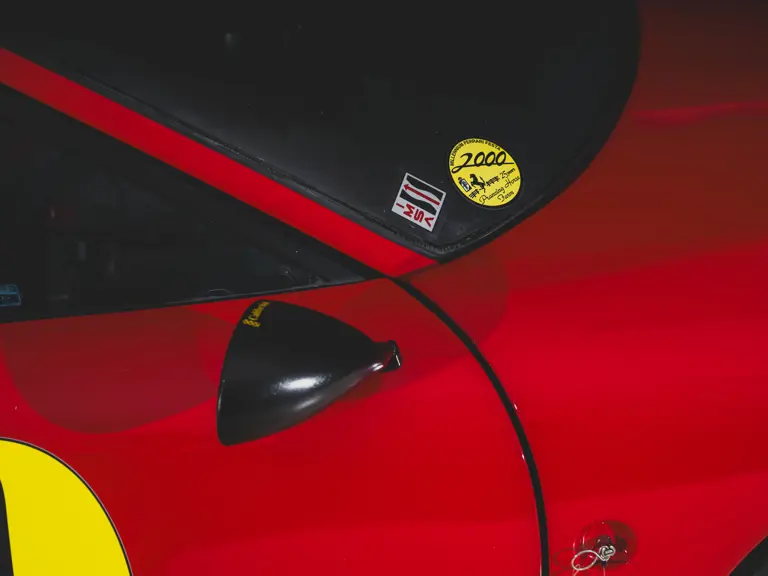
In January 2000, the Ferrari was sold to Kurt and Sandra Schultz of Union Dale, Pennsylvania, who campaigned the car in a variety of Shell Ferrari North American Historic Challenge rounds across the US from 2000 to 2007.
In November 2007, the 512 BB/LM was sold to Darius Ahrabian, a highly respected German collector. Mr. Ahrabian enjoyed the race car at the Ferrari Racing Days/Shell Historic Challenge at the Nürburgring in October 2008, and again at the Finali Mondiali at Mugello a month later.
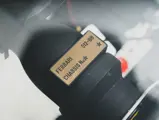
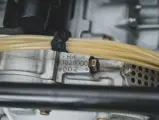
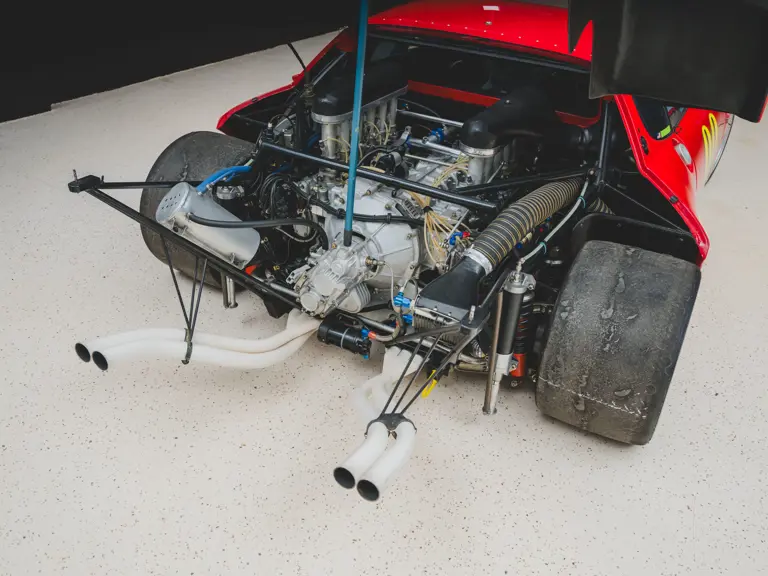
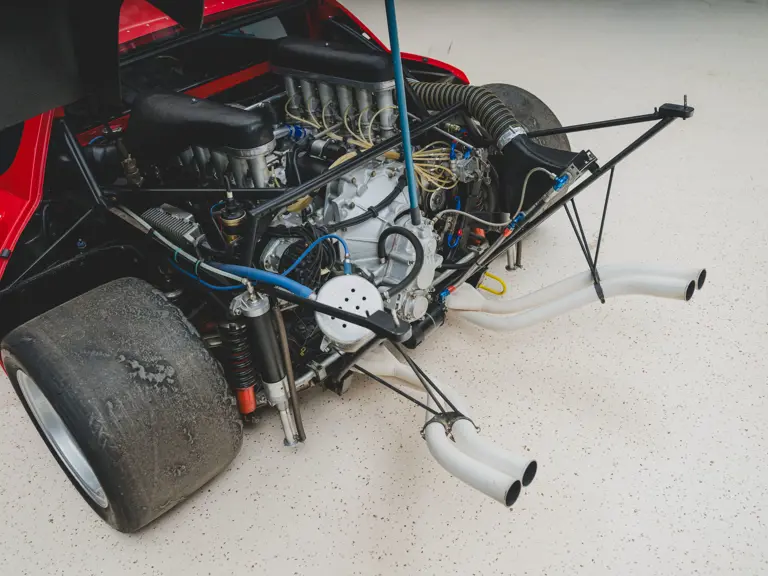
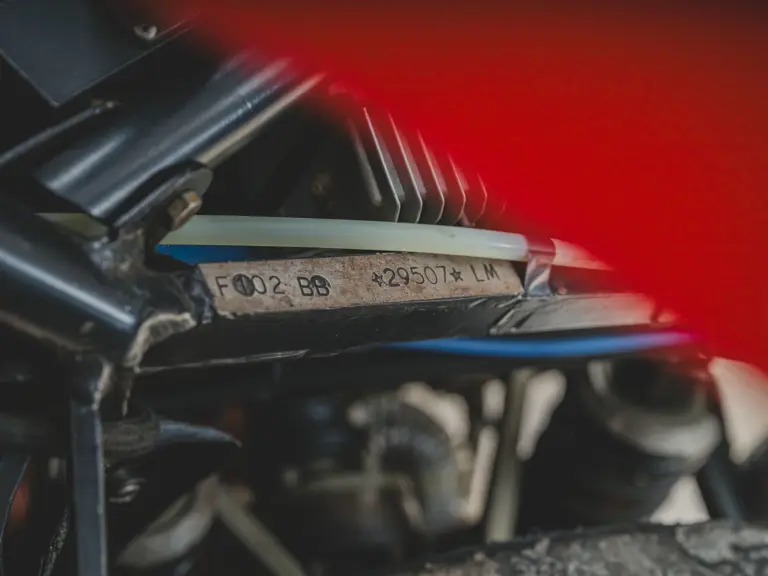
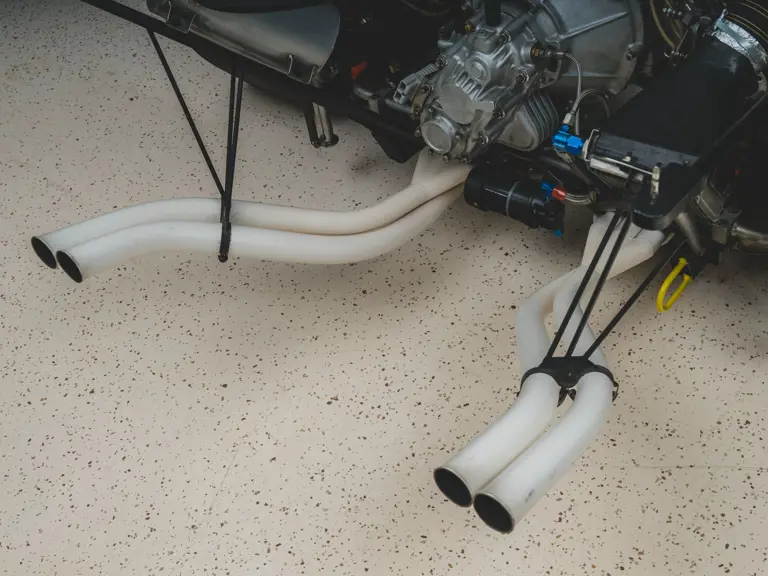
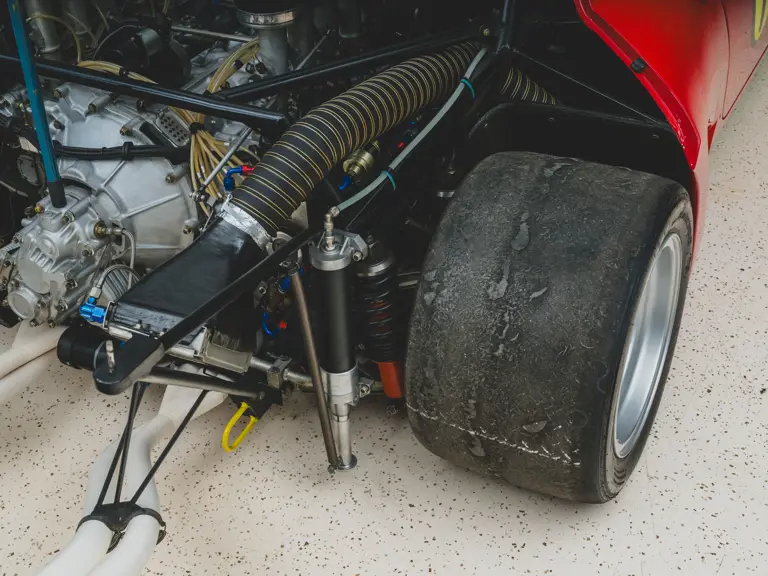
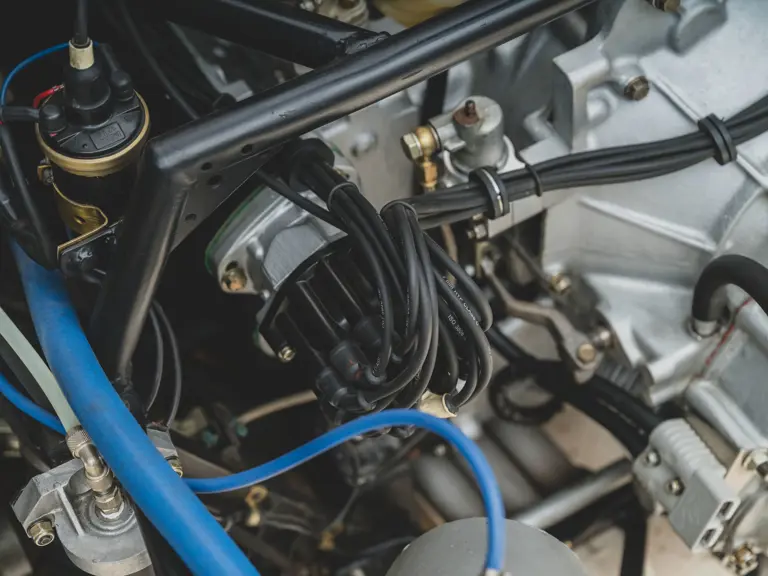
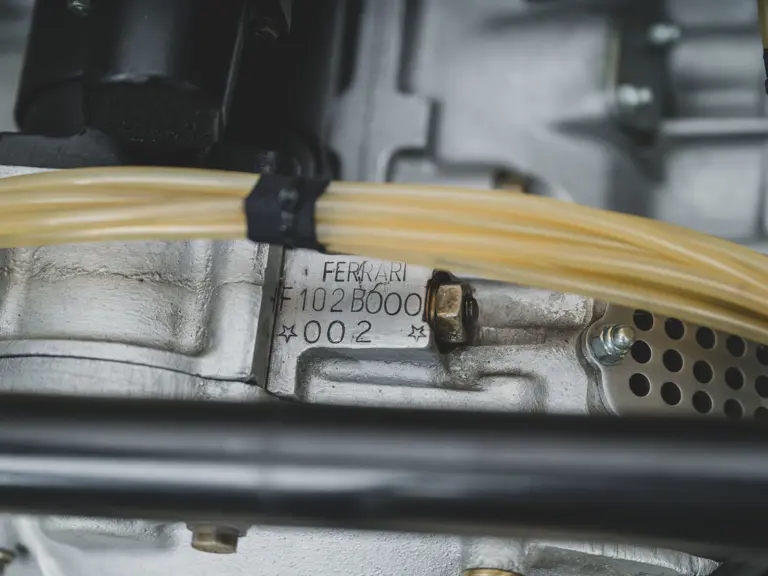
In 2008, the 512 BB/LM was submitted to Ferrari Classiche for the benefit of a factory-supervised restoration, which was completed a year later. Most importantly, in April 2010, chassis number 29507 was issued a Certificate of Authenticity and a Ferrari Classiche Red Book that attests the presence of the matching-numbers engine, gearbox/transaxle, and coachwork. A recent inspection of the mechanical stampings has confirmed that these matching-numbers components remain equipped today, confirming that 29507 remains one of the very best preserved and most original of all 512 BB/LM examples.
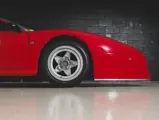
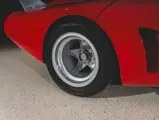
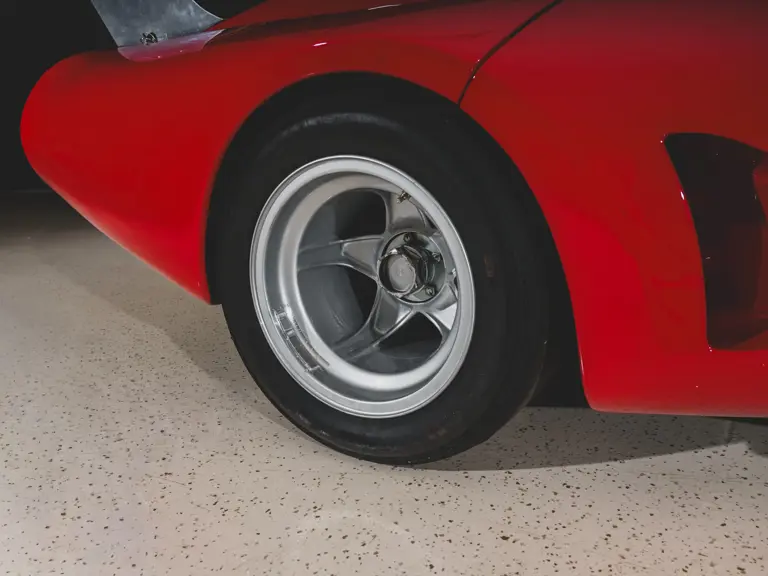
In August 2016, the Ferrari was sold via Garage Zenith in Switzerland to the consignor, a Las Vegas-based businessman and privateer racer who eventually returned the car to North America. The owner continued upon the Ferrari Classiche refurbishment with further restorative work, including a comprehensive refinish of the coachwork, new timing belts, fuel tank, and five-spoke wheels. Following completion of this refurbishment, the Ferrari was inspected by Michelotto to confirm the accuracy of the work, ensuring a very high level of authenticity.
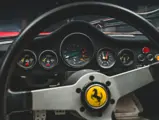
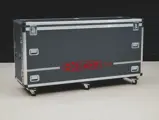
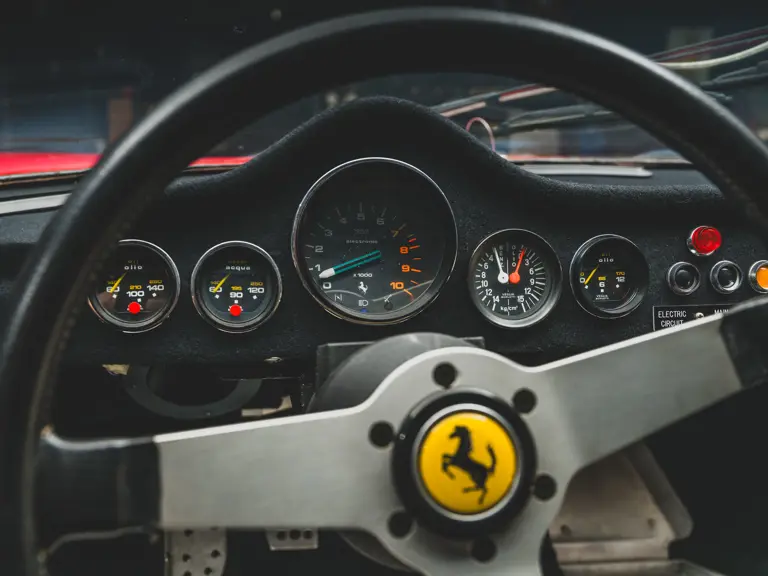
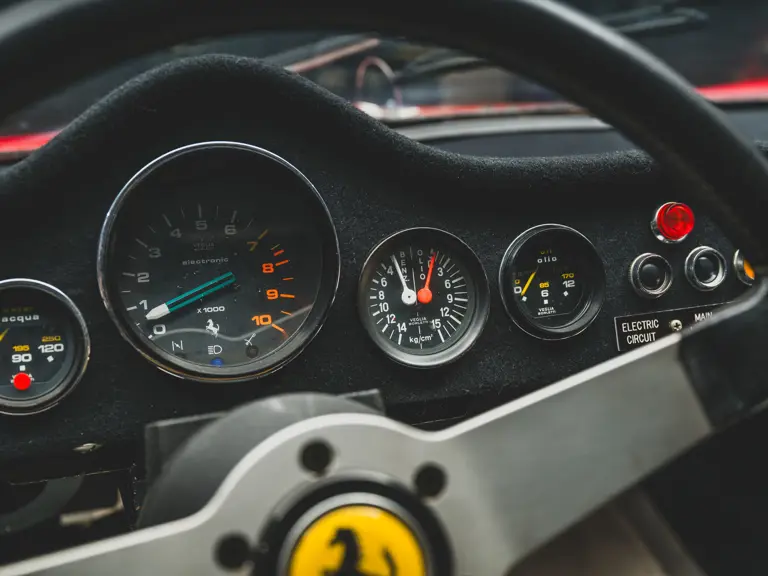
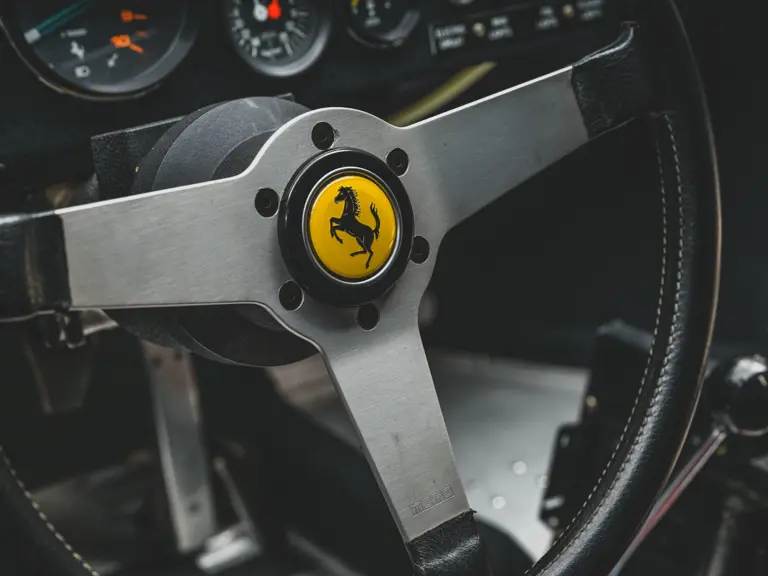
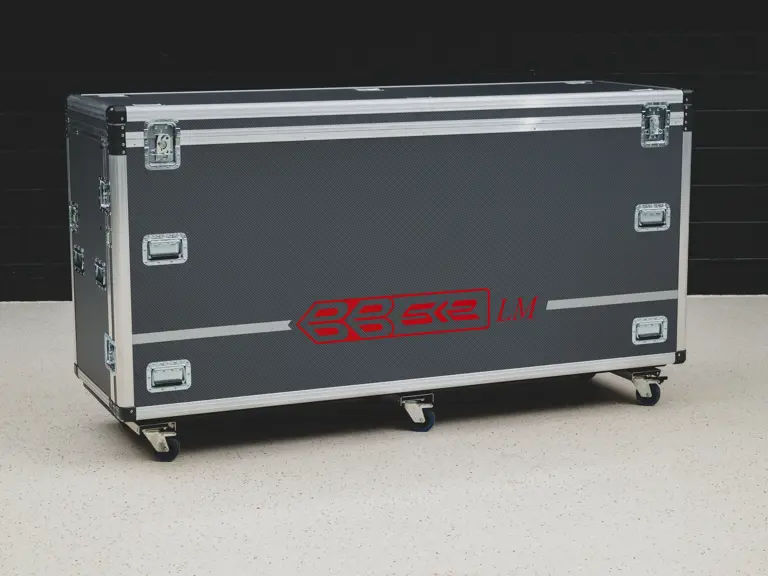
While many examples of the BB/LM suffered various bumps and bruises from a period racing career, 29507 was fortunate to always remain in the care of very knowledgeable and discerning collectors who preserved the originality of this car at a level that few other examples can claim today. Accompanied by a model-branded road case, this matching-numbers Silhouette is ideal for display at club gatherings or enjoyment at vintage racing events, where its rarity, high-performance engineering specifications, and Ferrari Classiche restoration will undoubtedly underscore its identity as one of Maranello’s most special customer racing models.
 | Monterey, California